
Meine Fahrten
Avoiding Empty Trips in Logistics: How to Maximize Your Profits from Your Routes
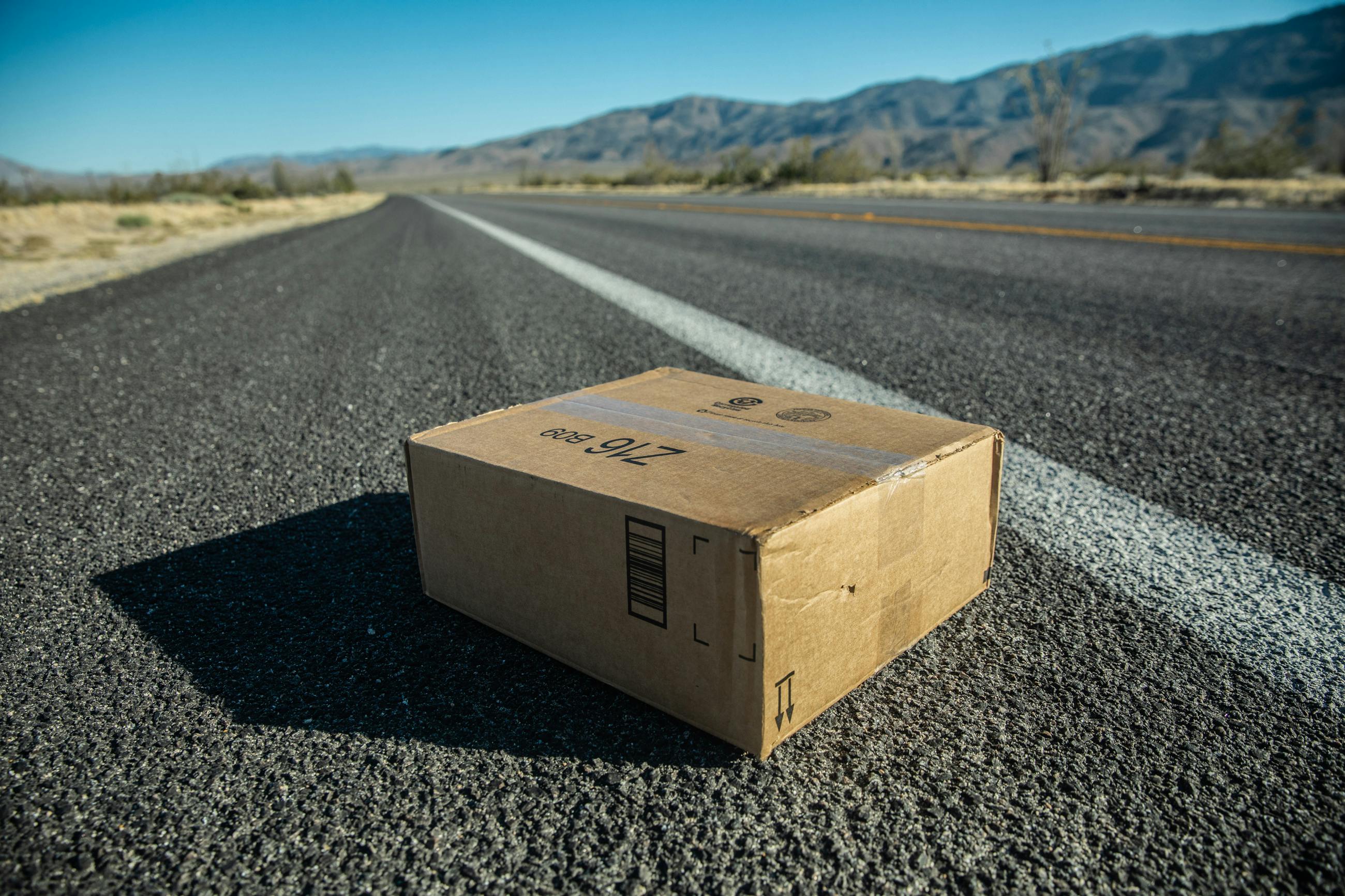
In the transport industry, one thing is certain: Every journey without cargo costs money. Empty trips occur when a vehicle is on the road without freight – for example, on the return journey after a delivery or on the way to the next pickup. These "dead kilometers" not only burden fuel consumption but also consume time, personnel resources, and profits. This can have significant impacts on profitability, especially for transit drivers and smaller fleets.
But what exactly are empty trips, why are they so costly – and how can you reduce them with MUVN Pro while simultaneously making your existing routes more profitable?
What are Empty Trips and Why Are They So Expensive?
In logistics, an empty trip refers to a vehicle traveling without cargo – for instance, on the return journey or when it travels empty between two appointments. The longer these distances, the greater the loss, because:
- Time and drivers are in use, but no revenue is generated
- Fuel costs still apply
- Vehicle wear and tear increases
- Opportunity costs (missed revenue with freight) rise
In many companies, empty trips account for a significant portion of all journeys – often up to a third of all kilometers.
With traditional operational models, it is challenging to avoid these empty times because routes are often planned in only one direction: A → B, but not B → A with suitable freight.
How Much Profit Do Drivers Lose Due to Empty Trips?
If a driver makes a half-empty or empty return trip four times a week, the costs add up quickly:
- 50–100 km * without freight
- no revenue on these kilometers
- plus fuel, time, and personnel costs
This means: The actual contribution margin of the route is significantly reduced or, in the worst case, completely consumed.
The better a company utilizes its capacities, the higher the profit – and the lower the waste from empty trips.
What Causes Empty Trips?
The most common causes are:
- Imbalance between supply and demand in different regions
- Poor coordination and lack of planning
- Lack of communication between dispatch and drivers
- Seasonal market fluctuations or spontaneous changes in order volume
These factors lead to vehicles often being on the road without return freight – a situation that efficient companies strive to avoid.
Why Traditional Order Models Exacerbate This Problem
Many traditional freight exchanges and manual dispatch processes focus on one-way routes. This means:
- Drivers only see requests for the outbound journey
- Return trips are often overlooked
- Route planning is static, not dynamic
As a result, empty trips regularly occur that cannot be utilized, even when suitable transports are available.
How MUVN Pro Reduces Empty Trips and Increases Your Profit
MUVN Pro supports you precisely where traditional models reach their limits:
1. Better Utilize Existing Routes
Are you already driving a route? Then you can check via MUVN Pro whether suitable additional shipments are available along this route. These additional loads can usually be integrated without detours – thereby reducing the number of empty kilometers and increasing your revenue per trip.
2. Utilize Flexible Time Windows
Instead of planning rigid routes, you can flexibly integrate transport requests into an available time window with MUVN Pro. This is particularly beneficial for transit drivers who frequently travel between cities, allowing for much additional freight to be accommodated.
3. Digital Orders Instead of Manual Dispatch
MUVN Pro offers you:
- a digital platform for easy order acceptance
- direct communication with senders
- no lengthy negotiations or inflexible time windows
This makes the integration of additional loads significantly easier than trying to solve it through traditional dispatch channels.
What Does This Mean for You?
By reducing empty trips, you can:
- increase your contribution margin per trip
- consume less fuel for dead kilometers
- generate more revenue with existing routes
- utilize your drivers' time more effectively
and all of this without needing to acquire new vehicles or external route planning software. It is sufficient to allocate the existing capacities more intelligently.
Conclusion: Empty Trips Are Costly – But Avoidable
Empty trips are a central cost driver in the transport business. They consume time, fuel, and profits – without generating revenue. Many traditional dispatch models do not provide a solution because they do not systematically address empty trips.
However, with MUVN Pro, you have a tool that utilizes existing routes more intelligently, finds suitable additional loads, and improves your utilization. This way, dead kilometers become revenue-generating kilometers.
👉 Start using MUVN Pro now and reduce empty trips: www.muvn.de